
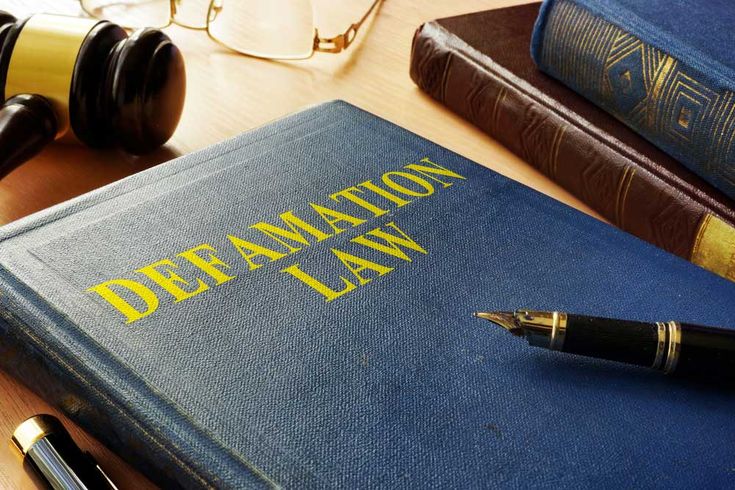
Freedom of speech as enshrined in section 16 of the South African Constitution’s Bill of Rights, is a restricted and limited right functioning based on validity only if such an expression of view doesn’t contravene the dignity or reputation of another individual. Such restrictions are imposed to ensure that public interests are safeguarded. To optimally comprehend this, we will use instances of crimen injuria and defamation as scenarios in which freedom of speech is restricted.
Crimen Injuria:
This is a crime under South African common law, defined to be the act of “unlawfully, intentionally and seriously impairing the dignity of another”. Such a crime constitutes of 2 parties: the party perpetrating the misconduct & the party the misconduct is being perpetrated against. One of the aspects of crimen injuria is that of “the infringement of the dignity or privacy of another”.
The distress effected can occur in one or two manners, it is either based on the contravention of an individual’s dignity or the contravention of an individual’s privacy. The right preserved in this context is that of an individual’s dignity, which is one’s humanity, excluding an individual’s bodily integrity or reputation. An instance of crimen injuria would be verbally insulting or abusing, stalking or threatening to harm an individual, or disclosing an individual’s private information without their prior consent.
Defamation:
Defamation is defined as “any unlawful, intentional false communication, either written or spoken, that harms a person’s reputation; decreases the respect, regard, or confidence in which a person is held; or induces disparaging, hostile, or disagreeable opinions or feelings against a person.”
As opposed to crimen injuria, defamation consists of 3 parties: the individual making the statement (perpetrating the misconduct), the individual against whom the statement is made (the victim of the perpetrator’s misconduct), and the individual to whom the statement is made. Therefore in this context, it is the individual’s reputation that is safeguarded and preserved.
What about freedom of speech?
Section 16 of the Republic Of South Africa’s Constitution states:
1. Everyone has the right to freedom of expression, which includes
- a. freedom of the press and other media;
- c. freedom of artistic creativity; and
- b. freedom to receive or impart information or ideas;
- d. academic freedom and freedom of scientific research
2. The right in subsection (1) does not extend to
- a. propaganda for war;
- b. incitement of imminent violence; or
- c. advocacy of hatred that is based on race, ethnicity, gender, or religion and that constitutes incitement to cause harm.
In a synopsis, freedom of speech is not absolute and thus restricted whenever it infringes or contravenes the fundamental rights of other individuals such as dignity and reputation.
Conclusion:
Simply ensure that the expression of your views as per your constitutional right does not contravene the rights of other individuals. This will ensure that you aren’t guilty of any crimen injuria or defamation, resulting in criminal sanctions and civil liability for damages.
For assistance in this regard Contact Manzankosi Corporate Legal Consultancy at 067 147 2323/081 712 1114, alternatively email us at info@manzankosiclc.co.za